
Poor indoor air quality is a common challenge in the UK’s social housing stock, particularly mould, dust, pollen and volatile organic compounds (VOCs). These issues can negatively impact residents’ health and cause discomfort.
Positive Input Ventilation (PIV) offers an effective solution for improving indoor air quality. In this article, we’ll explain what a PIV system is, outline its key benefits, and explore who can gain the most from installing one in their property.
What Is a PIV System?
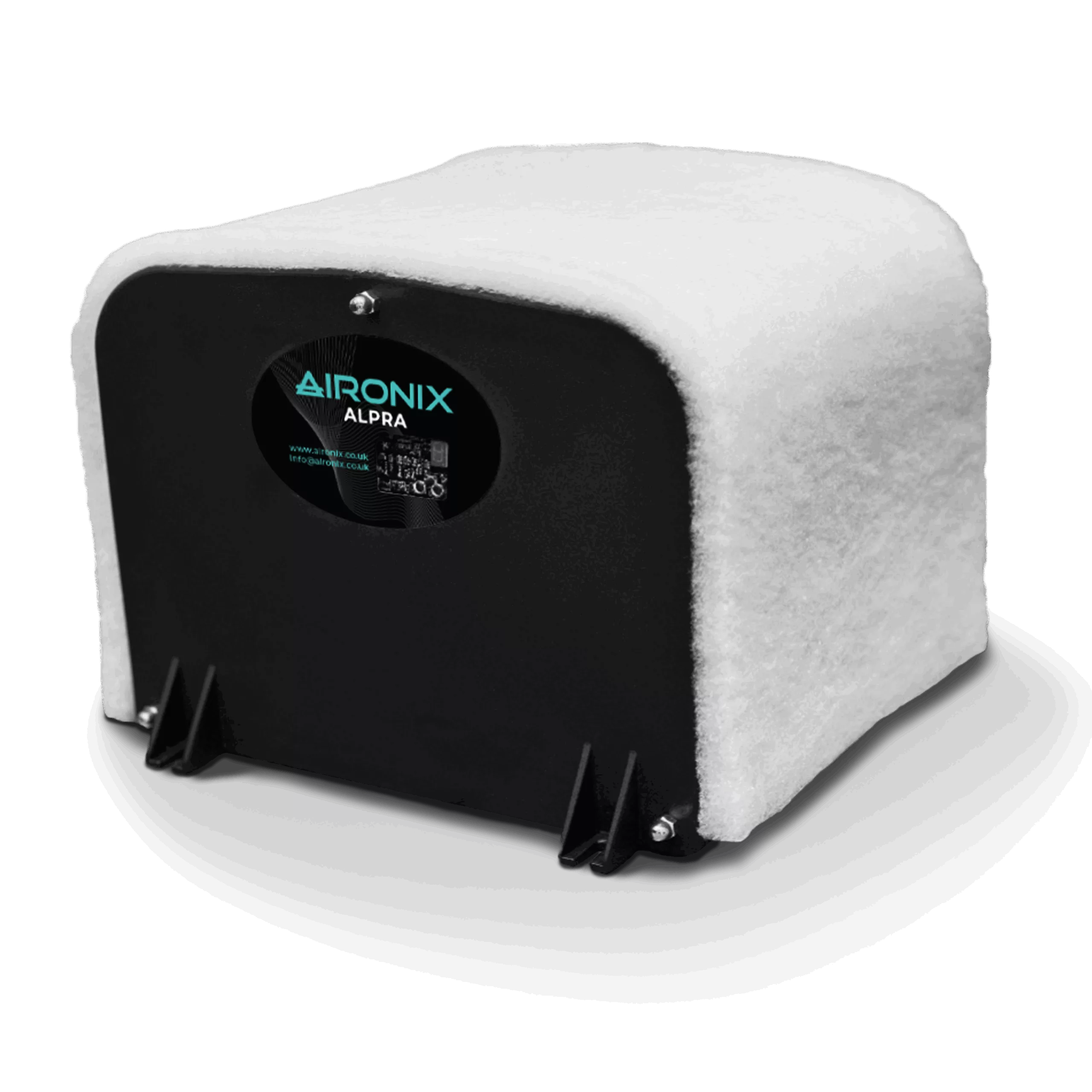
A Positive Input Ventilation (PIV) system is a long-term, energy-efficient solution that enhances indoor air quality. It works by continuously supplying fresh, filtered air into a property, creating gentle positive pressure throughout the home. The most common type is the loft-mounted PIV, which draws in air from the loft, filters it, and distributes it across the property. For flats, wall-mounted PIVs are more common; they operate similarly but draw fresh air. directly from outside rather than from a loft space.
The main components that make up a PIV are:
The Fan
Inside every PIV unit, there is a fan that draws in fresh air and helps direct it into the home. On some models, the fan speed can be increased or decreased to better suit the property’s needs and be more economical.
Filter
Every PIV unit has a filter; these are typically placed around the fan to block external contaminants from being pumped into the property. Like most filters its important that these get replaced regularly to ensure the PIV continues to run efficiently.
Benefits of a PIV
A PIV unit is a great way to improve the indoor air quality in a home. By introducing a flow of fresh filtered air into a property, it helps to dilute common household contaminants such as dust, pollen, allergens, condensation and Volatile Organic Compounds, which can have a drastic effect on the living standards within the property.
Condensation
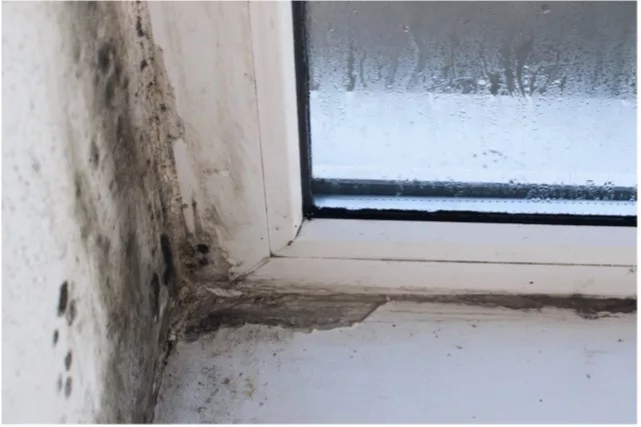
Condensation is the result of poor ventilation, and if left untreated, it can develop into mould spores growing. Mould can cause a range of health concerns, including but not limited to fatigue, high temperature, and coughing. Improving the airflow via a PIV will stop condensation build-up within the home, which in turn reduces mould growth.
Dust particles
Positive pressure forces the dust particles out of the property through leakage points, including air bricks, trickle vents, and chimneys. The continuous filtration process reduces the amount of dust coming into the property and creates a better air quality, which is hugely beneficial for those with respiratory conditions such as asthma.
Pollen
Especially in summer, pollen can be a huge irritant, particularly to those with hay fever. If windows are left open, pollen can be carried into the home, which will make the levels of pollen in the home uncomfortable and can cause symptoms of hay fever to worsen. By using a PIV, you reduce the risk of pollen in the home as it filters the air coming in and dilutes the amount of pollen within the home.
Volatile Organic Compounds (VOCs)
A VOC is a compound found in many products like paints, cleaning products, cosmetics, and building supplies. Some can also be found in biological senses, like plants and some moulds. These compounds can affect your health in many ways, including headaches, nausea, and dizziness. Adding a PIV into the home reduces the VOCs in the air via the fresh filtered air, diluting them, meaning the health effects on residents are reduced.
Maintaining consistent airflow and reducing moisture and airborne pollutants helps create a cleaner, drier living environment. This can lead to fewer health issues, greater comfort for residents, and improved living standards.
Who Would Benefit From a PIV?
A PIV could benefit anyone, as it filters fresh air pulled in from outside and improves indoor air quality. We would especially recommend a PIV to:
- Individuals who suffer from asthma and/or other respiratory conditions, having a PIV would improve their homes’ indoor air quality and create a safer environment, and aid in reducing common triggers such as dust, mould spores and other pollutants.
- Older residents, whose lungs tend to be less resilient, are susceptible to respiratory conditions from exposure to airborne contaminants. Having a PIV is essential to support these individuals with fresh air in their environment, thereby reducing the risk of illness.
- Families with young children are more at risk of respiratory issues as their lungs are still developing, so air quality is hugely important. Having a PIV would dilute the number of contaminants entering the home, lowering the risk of related conditions.
- Those who are experiencing mould, condensation and related issues, mould causes a range of health issues such as coughing, high temperature and fatigue. PIVs can reduce the risk of mould and condensation, which would have a knock-on effect and reduce the risk of these health issues affecting residents.
Summary
PIVs provide an effective, long-term solution for improving indoor air quality and preventing condensation and mould in residential properties. By continuously supplying fresh, filtered air and gently displacing stale, humid air, PIV systems reduce moisture build-up, dilute airborne pollutants, and create a healthier living environment. They are particularly beneficial for homes prone to condensation, as well as for residents with respiratory conditions, older people, and families with young children. Overall, PIV systems offer protection against airborne contaminants and improve the health and well-being of residents.
What To Do Next
If you’re experiencing issues with condensation, mould, or poor air quality, a Positive Input Ventilation system could be the right long-term solution.
For further support or to arrange a professional survey assessing ventilation, contact us at 01278 428347 or email info@mouldexltd.com.