
The UK social housing sector is undergoing a rapid digital transformation, spurred on by tighter budgets and stricter legislative demands. To navigate these challenges, housing providers are increasingly turning to technology to keep their properties and residents safe.
At the heart of this shift are IoT (Internet of Things) monitors. These small, battery-powered sensors allow providers to continuously track environmental conditions like temperature, carbon dioxide, and relative humidity inside their properties.
This technology marks a fundamental shift in how social housing operates. Instead of relying on traditional, pre-planned maintenance cycles or waiting for residents to report problems, housing providers can now use IoT monitors as an early-warning system for damp, mould, and other environmental issues. By moving property management from a reactive scramble to a proactive, data-driven process, providers can cut ongoing maintenance costs while better protecting the people who live there.
How do IoT Monitors work?
While connecting devices to the internet isn’t a brand-new concept—legend has it that researchers were connecting coffee pots to the web back in the 1990s—their widespread adoption in social housing is new. This wave of smart data is completely redefining our approach to property management.
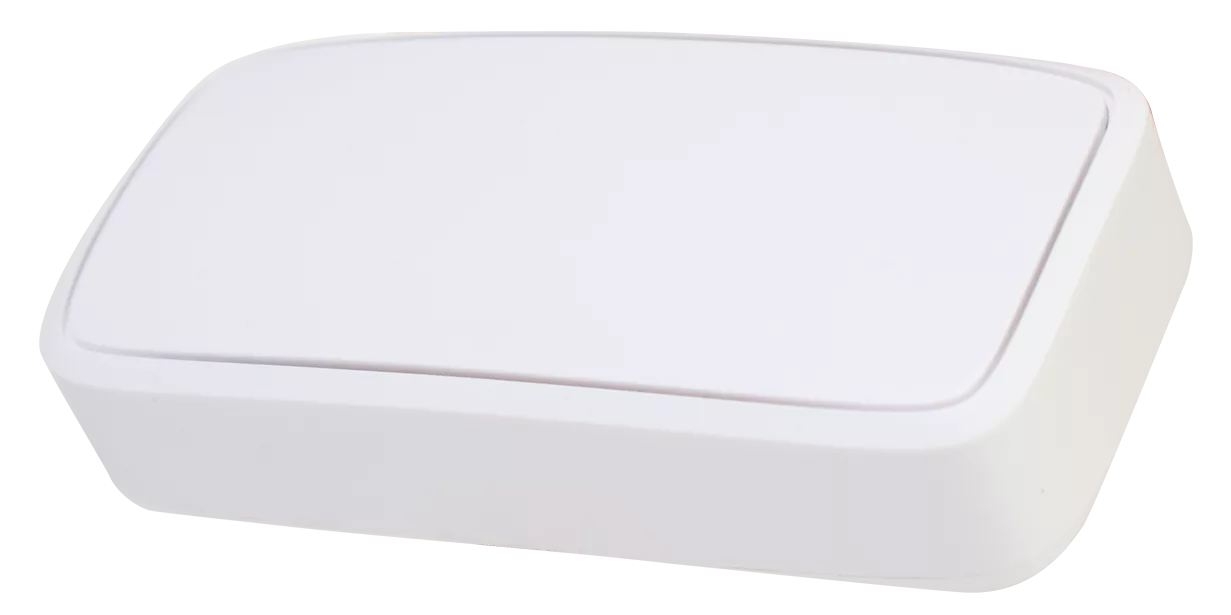
The latest IoT monitors are small, discreet, and incredibly quick to install. Crucially, they don’t rely on external power sources or a resident’s home Wi-Fi, meaning they can be fitted in virtually any property. Once installed, these devices can run independently for up to five years. By measuring temperature, relative humidity, and dew point, they send updates to a centralised dashboard every 20 minutes, providing property managers with real-time insights into mould risks and property health.
Why should Housing Providers Invest in IoT Monitoring?
With over 800,000 homes in England suffering from severe condensation and mould, and the introduction of strict new legislation like Awaab’s Law, proactive solutions are no longer optional.
Because of this, social housing providers and local councils are rapidly scaling up from small pilot projects to massive IoT rollouts. For instance, the London Office of Technology and Innovation (LOTI) and the Greater London Authority have installed thousands of sensors across 18 boroughs to detect ventilation failures and structural issues early. The results speak for themselves: in Barnet and Ealing, IoT monitoring helped slash severe damp and mould cases by 40% and reduced related maintenance call-outs by 25%.
Beyond the numbers, IoT data removes the traditional “blame game” between landlords and tenants by clearly identifying the root cause of a moisture issue, whether it’s poor structural insulation or a faulty heating system. Furthermore, this data serves as a compassionate tool for identifying fuel poverty. When sensors flag a property with persistently low temperatures, councils can step in early to offer energy or financial support to residents who need it most.
Is the Future of Housing Data-Driven?
The short answer is yes, but with a caveat. An IoT monitor won’t magically fix every problem a housing provider faces, nor will it completely replace well-established, hands-on building practices.
However, as these monitors become a staple of the sector, the success stories continue to stack up, and momentum is building fast. If you are looking to unlock significant cost savings, adopt a truly proactive approach to damp and mould, and gain genuine insight into your portfolio, investing in IoT might just be the smartest move you make this year.
Mouldex IoT Monitors
If you found this article helpful and are interested in rolling out IoT monitors across your portfolio, Mouldex is here to help. Over the past year, we have been leading the charge for smarter insights, helping housing providers and councils roll out their own data monitoring programmes, from initial setup through to installation. Our trusted team is here to support you every step of the way.
Ready to transform your property management? Get in touch to book your free demo today!